








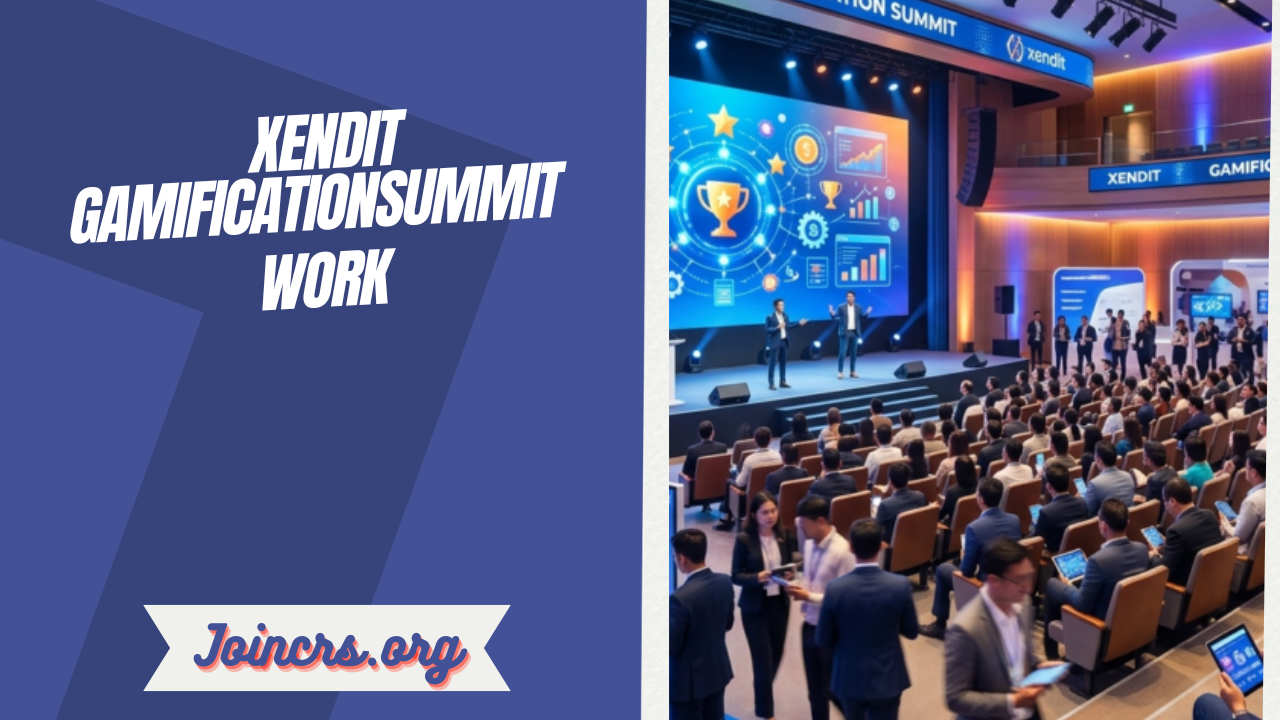
The digital payments industry is changing rapidly, and companies are constantly searching for better ways to improve teamwork, innovation, and customer experiences. One topic that has attracted attention is xendit gamificationsummit work. While the phrase may sound technical at first, it generally refers to discussions, workshops, and collaborative efforts that combine gamification strategies with workplace innovation and financial technology.
Gamification has become more than simply adding points or rewards to tasks. Today, organizations use game-inspired techniques to motivate employees, Xendit Gamificationsummit Work improve learning, strengthen customer engagement, and encourage creative thinking. When these ideas are explored during a summit or professional event, participants gain valuable knowledge that can be applied in real business situations.
Whether you’re a fintech enthusiast, a business owner, or someone interested in workplace innovation, understanding how gamification fits into modern organizations can provide useful insights. Xendit Gamificationsummit Work This guide explains the concept in simple language while exploring its practical applications, benefits, challenges, and future potential.
Quick Overview Table
| Topic | Details |
|---|---|
| Main Subject | Workplace gamification and innovation |
| Industry | Financial technology (FinTech) |
| Focus | Employee engagement, learning, collaboration |
| Common Activities | Workshops, keynote sessions, case studies |
| Primary Goal | Improve productivity and motivation |
| Audience | Professionals, managers, developers, HR teams |
| Key Benefits | Better teamwork, learning, innovation, performance |
| Long-Term Value | Stronger organizational culture and digital transformation |
What Is xendit gamificationsummit work?
The phrase xendit gamificationsummit work generally refers to discussions or initiatives that connect gamification principles with workplace development in the fintech sector. Xendit Gamificationsummit Work Instead of treating work as a series of repetitive tasks, gamification introduces motivating elements that make learning, collaboration, and performance more engaging.
These events often bring together professionals from different departments, Xendit Gamificationsummit Work including software engineering, product management, human resources, marketing, and customer experience. By sharing practical examples, participants learn how game-inspired systems can improve both employee satisfaction and business outcomes.
Rather than focusing solely on competition, modern gamification emphasizes progress, continuous learning, recognition, and meaningful achievements.

Understanding xendit gamificationsummit work in Modern Organizations
Organizations increasingly recognize that motivated employees produce better results. A gamification-focused summit provides opportunities to discuss practical strategies that encourage participation without creating unnecessary pressure.
For example, instead of requiring employees to complete mandatory training through lengthy presentations, companies may introduce achievement badges, learning milestones, progress dashboards, and collaborative challenges. These techniques help make education more enjoyable while encouraging consistent improvement.
Experts at such events often discuss real-world examples, measurable outcomes, and lessons learned from implementing gamification across different departments.
Why Gamification Has Become Important in the Workplace
Employee expectations have changed significantly over the past decade. Xendit Gamificationsummit Work Today’s workforce often values continuous learning, recognition, flexibility, and meaningful career growth. Gamification supports these goals by making everyday work more interactive and rewarding.
Companies also face increasing competition when attracting skilled professionals. Xendit Gamificationsummit Work Creating an engaging work environment helps improve employee retention while strengthening organizational culture.
Several factors have contributed to the growing popularity of workplace gamification:
- Increased demand for engaging employee learning experiences.
- Greater focus on collaboration rather than traditional management styles.
- Growing use of digital platforms for remote and hybrid work.
When implemented thoughtfully, these strategies encourage employees to stay motivated without making work feel artificial.
How Gamification Supports Professional Development
Professional growth requires more than occasional training sessions. Employees benefit from continuous opportunities to learn new skills, solve problems, and receive constructive feedback.
Gamification creates structured learning experiences by breaking larger goals into smaller, achievable milestones. As employees complete each stage, they gain confidence and remain motivated to continue learning.
This approach is especially valuable in technology-driven industries where new tools and systems evolve rapidly.
Learning Through Practical Challenges
Traditional classroom-style training can sometimes feel disconnected from daily responsibilities. Practical challenges encourage employees to apply new knowledge immediately.
Imagine a software development team learning a new security framework. Xendit Gamificationsummit Work Rather than reading lengthy documentation alone, team members participate in interactive challenges that reward successful implementation, teamwork, and creative problem-solving.
This method helps improve both knowledge retention and practical skills.
The Role of Collaboration During Innovation Events
Innovation rarely happens in isolation. Xendit Gamificationsummit Work Successful organizations encourage employees from different backgrounds to exchange ideas and solve problems together.
During professional summits, participants often engage in collaborative sessions that explore emerging technologies, workplace trends, and customer experience improvements. These discussions expose teams to fresh perspectives while encouraging cross-functional communication.
Collaboration becomes especially valuable when organizations are expanding rapidly or introducing new digital services.
For example, developers may better understand customer concerns after speaking directly with support specialists, while marketing teams gain insights into technical limitations from engineers. These conversations reduce misunderstandings and improve overall project planning.
Benefits for Employees and Organizations
When designed responsibly, workplace gamification can create positive experiences for both individuals and businesses.
Employees often enjoy clearer goals, more frequent feedback, and greater recognition for their efforts. Xendit Gamificationsummit Work Organizations benefit from improved productivity, stronger teamwork, and higher engagement levels.
Some commonly observed advantages include:
- Better employee participation in training programs.
- Improved collaboration across departments.
- Increased motivation through meaningful recognition rather than simple rewards.
These benefits become even stronger when gamification supports genuine learning instead of focusing only on competition.
Measuring Success Beyond Rewards
One of the biggest misconceptions about gamification is that it revolves only around points, badges, or prizes. While these elements can encourage participation, they should never be the primary measure of success. The true value lies in whether employees develop new skills, improve collaboration, and become more confident in their roles.
Organizations often evaluate gamification initiatives using measurable business outcomes. For example, Xendit Gamificationsummit Workthey may compare employee training completion rates before and after introducing interactive learning methods. They may also review customer satisfaction scores, project completion times, or internal engagement surveys to determine whether the new approach is making a meaningful difference.
Long-term improvement matters far more than short-term excitement. Xendit Gamificationsummit Work A successful workplace program creates habits that continue benefiting employees long after the initial activity has ended.
Building a Positive Workplace Culture
A healthy workplace culture doesn’t happen by accident. Xendit Gamificationsummit Work It develops through consistent communication, shared goals, and an environment where employees feel appreciated. Gamification can reinforce these values when it encourages teamwork rather than unhealthy competition.
Recognition plays an important role here. Employees who receive timely acknowledgment for their efforts often feel more connected to their organization. This recognition doesn’t always need to come in the form of rewards; sometimes public appreciation, opportunities for professional growth, or increased responsibility can be even more meaningful.
Managers also benefit because gamified systems often provide better visibility into employee progress. Instead of relying solely on annual performance reviews, leaders can monitor continuous development and provide support whenever it’s needed.
Encouraging Continuous Improvement
Continuous improvement is one of the strongest advantages of workplace gamification. Xendit Gamificationsummit Work Rather than viewing learning as a one-time event, employees are encouraged to build new skills throughout their careers.
For instance, an organization might divide professional development into several achievement levels. Employees can complete small learning modules, practice new techniques, and gradually unlock more advanced challenges. Xendit Gamificationsummit Work This structured approach keeps learning manageable and less overwhelming.
Regular feedback also allows employees to identify areas where they can improve without feeling discouraged.
Technology Behind Modern Gamification
Modern workplace gamification relies on a combination of digital tools and data-driven insights. Xendit Gamificationsummit Work Learning management systems, collaboration platforms, performance dashboards, and mobile applications often work together to create engaging experiences.
Artificial intelligence has also started influencing workplace learning by offering personalized recommendations. Instead of assigning the same content to everyone, intelligent systems can suggest training based on an employee’s role, experience, or previous performance.
Cloud technology makes these systems even more accessible, allowing remote and hybrid teams to participate regardless of location. As workplaces continue evolving, digital platforms will likely play an even greater role in supporting employee engagement.
Common Challenges Organizations Face
Although gamification offers many benefits, implementing it successfully requires thoughtful planning. Simply adding game-like features without understanding employee needs can produce disappointing results.
Some organizations focus too heavily on competition, unintentionally creating unnecessary stress among team members. Xendit Gamificationsummit Work Others introduce complicated systems that employees find confusing rather than motivating.
A balanced strategy usually works best. Leaders should design experiences that encourage learning, collaboration, and steady progress while ensuring that every employee has an equal opportunity to participate.
Some common implementation challenges include:
- Setting goals that are too difficult or unrealistic.
- Focusing on rewards instead of meaningful learning.
- Ignoring employee feedback during program development.
Recognizing these challenges early helps organizations build systems that remain effective over time.
Leadership’s Role in Successful Implementation
Even the most creative gamification strategy requires strong leadership. Xendit Gamificationsummit Work Managers and team leaders influence how employees perceive new initiatives, making their support essential.
Leaders should clearly explain why the organization is introducing gamification and how it connects to broader business goals. When employees understand the purpose behind these activities, they are more likely to participate willingly.
Transparency is equally important. Employees should know how achievements are measured, how feedback is provided, and how success contributes to both personal growth and organizational performance.
Effective leaders also lead by example. When managers actively participate in learning activities, they demonstrate that continuous improvement is valuable for everyone, regardless of position.
Real-World Applications Across Departments
Although gamification is often associated with employee training, its applications extend across many business functions.
Human resources teams may use interactive onboarding programs to help new employees understand company policies and workplace expectations. Customer support departments can create learning challenges that improve communication skills and problem-solving abilities. Sales teams often benefit from performance dashboards that encourage healthy competition while tracking progress toward realistic goals.
Product development teams may also use collaborative innovation sessions where employees propose ideas, solve technical problems, and earn recognition for creative contributions.
These examples illustrate that gamification is flexible enough to support various organizational objectives without following a one-size-fits-all approach.
Why Employee Feedback Matters
One of the most valuable sources of information during any gamification initiative is employee feedback. Workers experience these systems firsthand, making their opinions essential for continuous improvement.
Organizations that regularly collect feedback can identify what motivates employees, which activities feel meaningful, and which features require adjustment. This ongoing communication prevents programs from becoming repetitive or ineffective.
Feedback also builds trust. When employees see their suggestions leading to real improvements, they become more engaged and invested in future workplace initiatives.
Future Trends in Workplace Gamification
The future of workplace gamification looks promising as businesses continue investing in digital transformation and employee development. Rather than replacing traditional management practices, gamification is becoming a complementary tool that supports learning, collaboration, and innovation.
Several emerging trends are expected to shape the next generation of workplace engagement:
- Greater use of artificial intelligence to personalize learning experiences.
- More collaborative challenges designed for remote and hybrid teams.
- Increased focus on employee well-being alongside productivity and performance.
As technology evolves, organizations will likely create more meaningful experiences that encourage long-term growth instead of short-term competition.
Frequently Asked Questions (FAQ)
1. What does xendit gamificationsummit work refer to?
It generally refers to discussions, workplace initiatives, or professional events that explore how gamification principles can improve employee engagement, learning, collaboration, and innovation within modern organizations, particularly in the fintech industry.
2. Why is gamification important in the workplace?
Gamification helps make learning and daily tasks more engaging by encouraging participation, recognizing achievements, and supporting continuous improvement. When implemented thoughtfully, it can increase motivation and strengthen teamwork.
3. Who benefits most from workplace gamification?
Employees, managers, HR professionals, developers, customer support teams, and business leaders can all benefit. Each department can adapt gamification strategies to improve training, communication, productivity, and overall performance.
4. Does gamification only involve rewards and badges?
No. While rewards and badges may be part of a gamification program, successful initiatives focus on meaningful learning, skill development, collaboration, feedback, and long-term employee growth rather than simple incentives.
5. Can small businesses use gamification?
Yes. Small businesses can implement simple gamification techniques such as learning milestones, recognition programs, team challenges, or progress tracking without investing in expensive software. Even basic systems can improve engagement when designed around clear goals.
6. What are the biggest challenges when implementing gamification?
Common challenges include creating overly competitive environments, setting unrealistic goals, relying too much on rewards, and failing to gather employee feedback. Careful planning and continuous evaluation help overcome these issues.
7. How can organizations measure the success of gamification?
Success can be measured through employee engagement, training completion rates, productivity improvements, collaboration levels, customer satisfaction, and feedback surveys. The most effective programs demonstrate lasting improvements rather than temporary enthusiasm.
Conclusion
Understanding xendit gamificationsummit work provides valuable insight into how modern organizations approach employee engagement, innovation, and continuous learning. Gamification is no longer limited to games or entertainment; it has become a practical strategy for improving workplace experiences and supporting long-term business growth.
When implemented with clear objectives, thoughtful leadership, and regular employee feedback, gamification can strengthen collaboration, encourage skill development, and create a more positive organizational culture. The greatest results come from designing experiences that inspire people to learn, contribute, and grow together rather than simply compete.
As workplaces continue embracing digital transformation, gamification will likely remain an important part of professional development. Organizations that balance technology with human-centered design are better positioned to build motivated teams, improve performance, and adapt to the changing demands of the modern business world.
You may also read this: Joincrs.org