







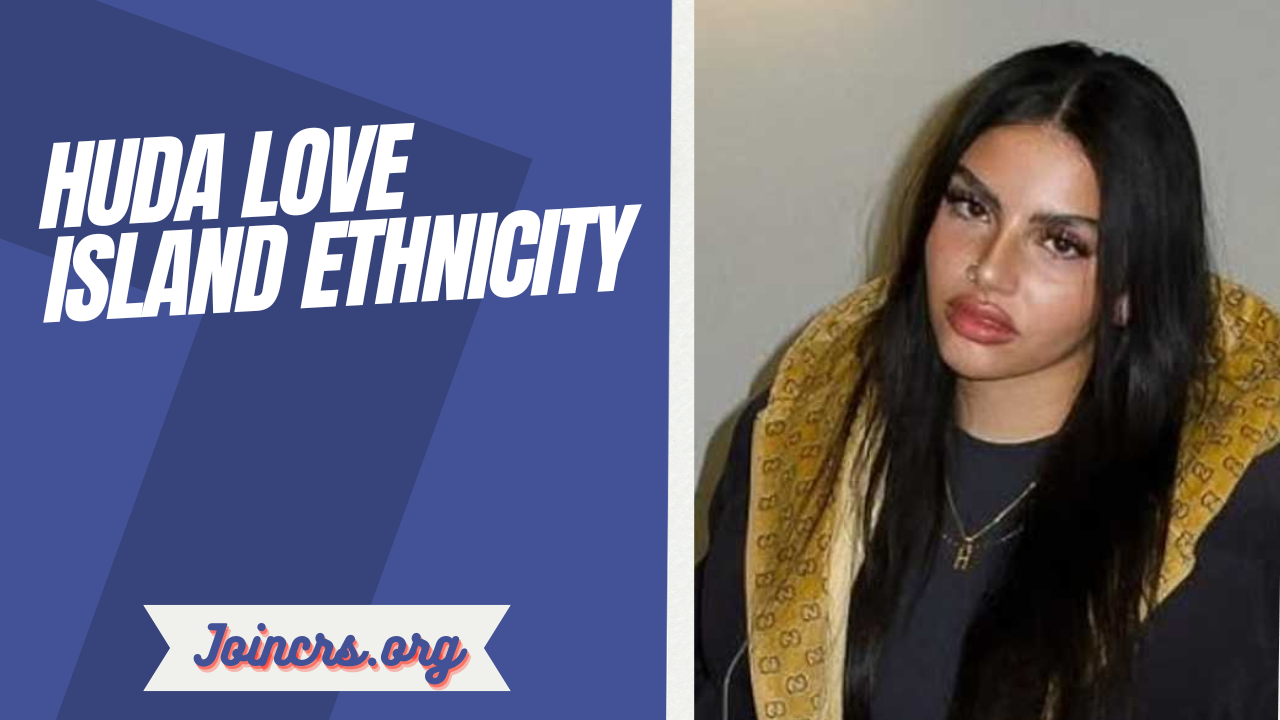
Reality television introduces audiences to people from many different cultures, and viewers often become curious about the personal stories behind their favorite contestants. One topic that has sparked plenty of discussion online is huda love island ethnicity. Fans want to know more about Huda’s cultural roots, family background, and how her heritage has influenced her life both on and off the screen.
While social media has fueled countless rumors, it is important to separate confirmed facts from speculation. Public figures deserve privacy, and unless they have personally shared details about their identity, assumptions should always be treated with caution. This article explores what is publicly known, Huda Love Island Ethnicity why her ethnicity has become such a popular topic, and how cultural diversity continues to shape modern reality television.
Quick Overview Table
| Topic | Details |
|---|---|
| Full Name | Huda (Love Island contestant) |
| Known For | Appearing on Love Island |
| Main Discussion | Ethnicity and cultural background |
| Public Interest | Family heritage, identity, and upbringing |
| Confirmed Ethnicity | Limited publicly confirmed information |
| Nationality | Publicly associated with the United States |
| Importance | Representation of diverse cultures on television |
Huda Love Island Ethnicity
The topic of huda love island ethnicity has gained attention because many viewers are curious about her appearance, name, and cultural identity. Online discussions often include guesses about her heritage, Huda Love Island Ethnicity but many of these claims are based solely on assumptions rather than verified information.
Huda herself has shared aspects of her personality, values, and life experiences through interviews and social media. However, detailed information about her complete ethnic background has remained relatively private. Huda Love Island Ethnicity That means readers should rely on verified statements instead of internet speculation.
Ethnicity is a deeply personal aspect of someone’s identity. For many public figures, choosing how much to reveal about their family history is a personal decision. Respecting those boundaries is just as important as satisfying public curiosity.
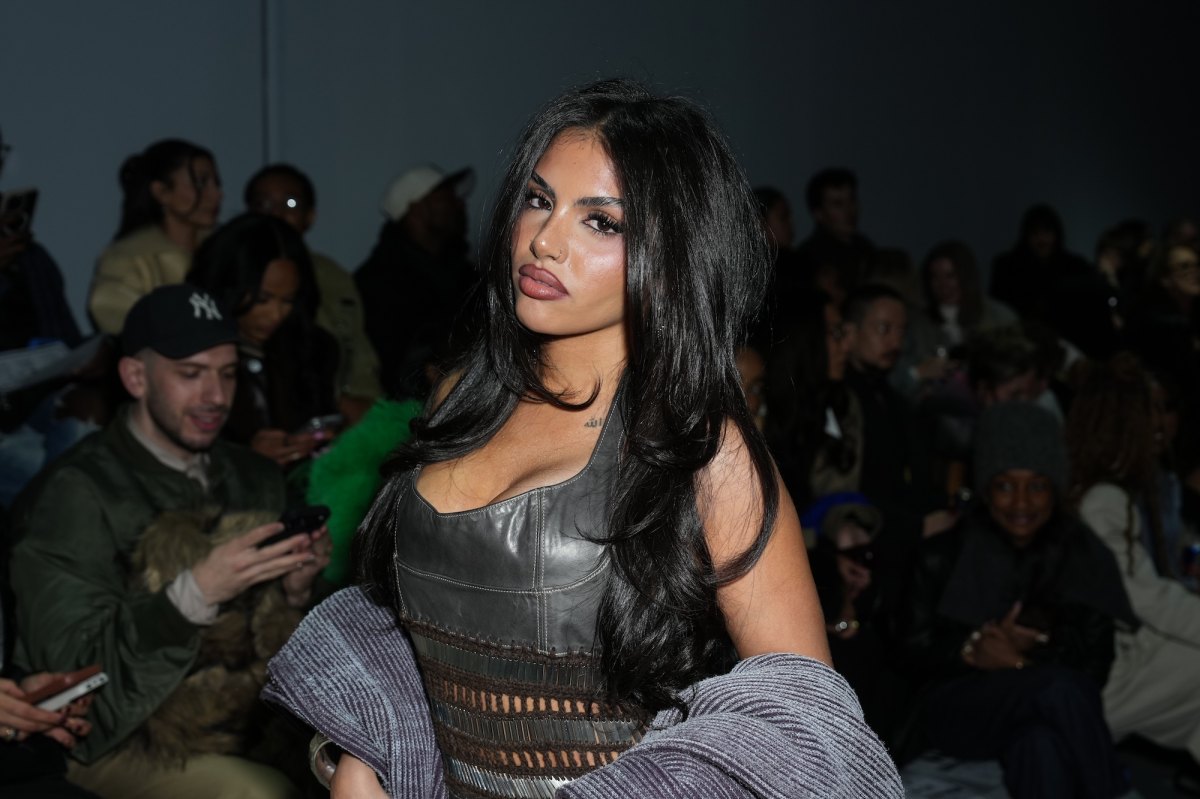
Understanding Huda Love Island Ethnicity Through Public Information
When discussing huda love island ethnicity, it helps to distinguish between ethnicity, nationality, and cultural identity. Huda Love Island Ethnicity These terms are often confused, even though they describe different aspects of a person’s background.
- Ethnicity refers to ancestral heritage and cultural roots.
- Nationality relates to citizenship or the country a person belongs to.
- Culture includes traditions, language, customs, and family values.
Because Huda has not publicly provided extensive details about every aspect of her ancestry, many articles and social media posts rely on observations rather than confirmed facts. Responsible reporting means acknowledging these limitations instead of presenting rumors as truth.
Why Fans Are Curious About Her Heritage
Reality television encourages audiences to feel connected to contestants. Fans follow their journeys, celebrate their successes, and naturally become interested in learning more about their personal lives.
Several factors contribute to the curiosity surrounding Huda’s background.
First, her distinctive name has prompted many people to wonder about its cultural origins. Huda Love Island Ethnicity Names often reflect family traditions, religious heritage, or regional influences, although they do not always indicate a person’s complete ethnic identity.
Second, today’s viewers appreciate greater cultural representation in entertainment. Seeing contestants from diverse backgrounds helps audiences feel represented and broadens conversations about identity.
Finally, social media has made it easier than ever for discussions to spread quickly. A single post or comment can generate thousands of opinions, even when little verified information exists.
The Difference Between Ethnicity and Nationality
Many people mistakenly use ethnicity and nationality as if they mean the same thing. Understanding the distinction helps create more informed discussions.
Nationality refers to the legal country where someone is a citizen. Ethnicity relates to ancestral roots and shared cultural traditions that may extend across several countries.
For example, someone may hold American nationality while having Middle Eastern, South Asian, European, African, or Latin American ancestry. These identities are not mutually exclusive.
This distinction matters because discussions about Huda often mix these concepts together, leading to confusion among readers.
How Her Name Has Influenced Online Discussions
One reason Huda’s background attracts attention is her first name.
The name “Huda” is widely recognized in several cultures, particularly within Arabic-speaking communities. It traditionally carries meanings associated with guidance or the right path, making it a meaningful name for many families.
However, a person’s name alone cannot determine ethnicity.
People receive names for countless reasons, including family tradition, religious beliefs, multicultural backgrounds, Huda Love Island Ethnicity or personal preference. Modern societies are increasingly diverse, meaning names frequently cross cultural boundaries.
As a result, using a name as the sole basis for identifying someone’s ethnicity can lead to inaccurate conclusions.
Diversity in Modern Reality Television
Reality television has changed significantly over the past decade. Huda Love Island Ethnicity Earlier programs often featured contestants from similar backgrounds, but today’s audiences expect broader representation.
Many popular dating and competition shows now include participants from different cultures, ethnicities, professions, and life experiences. This diversity creates richer conversations and allows viewers from many communities to see themselves represented on screen.
Some positive outcomes of increased diversity include:
- Broader cultural representation for global audiences.
- Greater understanding of different traditions and backgrounds.
- More authentic conversations about identity and inclusion.
Shows like Love Island benefit from featuring contestants with unique perspectives, making the viewing experience more relatable for people around the world.
Why Verified Information Matters
The internet makes it easy for rumors to spread much faster than facts.
Fan forums, short videos, and social media posts often repeat unverified claims until they appear credible. Huda Love Island Ethnicity Unfortunately, repetition does not make information accurate.
Good research involves checking interviews, official profiles, and reliable news sources before accepting claims about someone’s heritage.
Readers should ask themselves several questions before believing information online:
- Has Huda personally confirmed this information?
- Is the claim supported by trustworthy sources?
- Are multiple reliable publications reporting the same facts?
Following these simple habits helps reduce misinformation and encourages responsible online discussions.
Cultural Identity Goes Beyond Ancestry
Ethnicity is only one part of a person’s identity. Family traditions, language, education, personal experiences, friendships, and community all contribute to shaping who someone becomes.
Two individuals with the same ethnic background may have completely different cultural experiences depending on where they grew up, the languages they speak, and the traditions they practice.
This broader understanding reminds us that identity cannot always be neatly categorized.
For reality television contestants, audiences often see only a small portion of their lives. Much of their personal history remains private, making it impossible to fully understand someone’s identity based solely on television appearances.
Family Background and Public Interest
As Huda’s popularity has grown, interest in her family background has increased as well. Huda Love Island Ethnicity Fans often look for clues in interviews, social media posts, or family photographs to better understand her upbringing.
However, there is a clear distinction between curiosity and confirmed information. While Huda has shared parts of her personal journey, she has not publicly released a detailed family history that confirms every aspect of her ancestry. Because of this, many online discussions remain speculative.
It’s worth remembering that many reality TV personalities choose to keep certain parts of their private lives away from public attention. Family members may not wish to be in the spotlight, Huda Love Island Ethnicity and respecting that decision is important.
The Role of Social Media in Shaping Public Perception
Social media platforms have transformed the way fans interact with television personalities. Instead of only watching contestants on screen, audiences can now follow their daily lives, opinions, and personal updates.
This direct access creates stronger connections, but it also encourages assumptions. A photograph, caption, or comment can quickly lead to theories about someone’s heritage—even when there is no factual basis behind them.
In Huda’s case, discussions about her ethnicity have circulated across multiple platforms. Some users believe they recognize cultural influences from her appearance or name, while others point to unverified posts shared by fans. Without confirmation from Huda herself, these discussions should be viewed as opinions rather than facts.
Why Representation Matters on Love Island
Reality television reaches millions of viewers around the world. When contestants come from different cultural backgrounds, audiences gain exposure to a wider range of perspectives and experiences.
Representation benefits both viewers and the entertainment industry by creating stories that reflect modern society. Diverse casts can inspire meaningful conversations about identity, Huda Love Island Ethnicity traditions, and acceptance without making those topics the sole focus of a contestant’s journey.
Some important advantages of diverse representation include:
- Helping viewers feel seen and represented.
- Encouraging appreciation for different cultures.
- Challenging stereotypes through authentic personal stories.
Even when a contestant’s ethnicity is not the center of the show, their presence contributes to a broader picture of today’s multicultural world.
Respecting Privacy While Discussing Public Figures
Public interest does not automatically mean every personal detail should become public knowledge.
Ethnicity, religion, family history, and cultural traditions can all be deeply personal subjects. Many celebrities choose to share these aspects of their lives gradually, while others prefer to keep them private altogether.
Responsible readers and content creators should avoid presenting speculation as established fact. Instead, discussions should focus on verified information and acknowledge when details are unknown.
This approach not only improves accuracy but also demonstrates respect for the individual being discussed.
Common Misconceptions About Ethnicity
Many online conversations reveal misunderstandings about what ethnicity actually means.
For example, people sometimes assume that physical appearance alone can reveal someone’s ancestry. In reality, individuals from very different ethnic backgrounds can share similar features, while members of the same ethnic group may look quite different from one another.
Another common misconception is that a person’s name always identifies their ethnicity. While names often reflect cultural traditions, they can also result from marriage, adoption, personal preference, or multicultural family backgrounds.
Understanding these differences helps create more thoughtful and respectful discussions.
How Public Figures Influence Cultural Conversations
Reality TV contestants often become role models, whether they intend to or not. Their popularity gives them a platform to influence conversations about identity, confidence, relationships, and cultural understanding.
When audiences see contestants from various backgrounds succeeding on mainstream television, it reinforces the idea that entertainment should reflect the diversity of the real world.
For many young viewers, this representation can be meaningful. It demonstrates that people from different cultures can connect with broad audiences while remaining authentic to themselves.
Frequently Asked Questions (FAQ)
1. What is Huda’s ethnicity?
Huda has not publicly shared detailed information confirming her complete ethnic background. Huda Love Island Ethnicity While there are many online discussions, much of the information available is speculative rather than officially verified.
2. Why are people searching for Huda Love Island ethnicity?
Fans are interested in learning more about her personal background, family heritage, and cultural identity after seeing her on Love Island and social media.
3. Is Huda’s nationality the same as her ethnicity?
No. Nationality refers to a person’s citizenship, while ethnicity relates to ancestral heritage and cultural background. The two terms describe different aspects of identity.
4. Has Huda confirmed rumors about her heritage?
As of publicly available information, Huda has not confirmed many of the rumors circulating online regarding her ancestry. Readers should rely on verified statements instead of speculation.
5. Why is ethnicity an important topic for reality TV viewers?
Many viewers enjoy seeing contestants from diverse backgrounds because it reflects today’s multicultural society and promotes greater cultural understanding.
6. Can someone’s name accurately identify their ethnicity?
Not necessarily. Names may reflect cultural or family traditions, Huda Love Island Ethnicity but they cannot reliably determine a person’s complete ethnic background.
7. Why should readers avoid believing online rumors?
Rumors often spread without evidence. Checking reliable interviews and verified sources helps ensure that information is accurate and respectful.
Conclusion
Interest in Huda Love Island ethnicity reflects a broader curiosity about the people audiences see on reality television. Huda Love Island Ethnicity Fans naturally want to learn more about contestants beyond what appears on screen, but it’s important to distinguish verified facts from internet speculation.
Based on publicly available information, Huda has kept much of her family background and ancestry private. While discussions about her heritage continue across social media, no responsible source should present unconfirmed claims as fact.
Ultimately, Huda’s appeal extends beyond questions about ethnicity. Her personality, experiences, and presence on Love Island are what introduced her to viewers in the first place. As conversations about diversity continue to grow in entertainment, respecting personal privacy while celebrating cultural representation remains the best approach for fans and readers alike.
You may also read this: Ramtin Abdo Everything to Know About the Businessman, Entrepreneur, and Kate Abdo’s Husband