








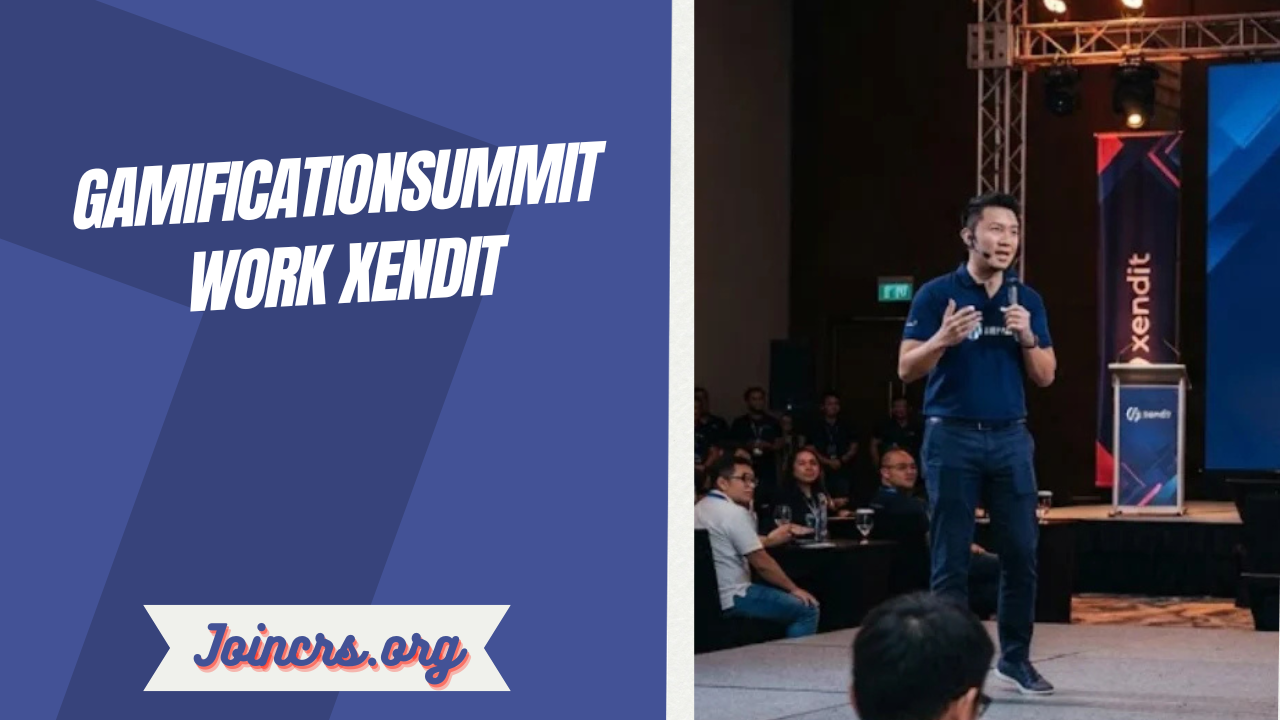
Digital payments have become part of everyday life, but convenience alone is no longer enough to keep users engaged. Businesses now compete by creating experiences that encourage customers to return, interact more often, and explore new features. This is where gamificationsummit work xendit becomes an interesting topic. It highlights how discussions around gamification and modern payment technology are shaping customer engagement in the fintech industry.
Gamification is more than adding points or badges to an application. When used thoughtfully, it motivates users, rewards positive behavior, and makes routine financial activities feel more interactive. Payment technology companies like Xendit have helped businesses build smooth payment experiences, while gamification strategies can make those experiences even more enjoyable.
Whether you run an online store, manage a digital platform, or simply want to understand the future of fintech, gamificationsummit work xendit learning how gamification works alongside payment infrastructure provides valuable insight into where digital commerce is heading.
Quick Overview
| Topic | Details |
|---|---|
| Focus Keyword | gamificationsummit work xendit |
| Industry | Fintech and Digital Payments |
| Main Concept | Combining gamification with payment experiences |
| Primary Goal | Improve customer engagement and retention |
| Key Benefits | Higher participation, increased loyalty, better user experience |
| Common Gamification Elements | Points, badges, rewards, leaderboards, challenges |
| Suitable For | E-commerce, SaaS, marketplaces, mobile apps, fintech platforms |
Understanding Gamification in Modern Business
Gamification is the practice of applying game-inspired mechanics to non-game environments. gamificationsummit work xendit Businesses use these techniques to encourage users to complete actions, remain active, and build long-term relationships with a product or service.
The idea is simple. People naturally enjoy achieving goals, earning rewards, and tracking progress. gamificationsummit work xendit By incorporating these elements into everyday experiences, companies can make even routine activities feel engaging.
For example, a customer may receive reward points after completing several successful transactions or unlock a special benefit after using a payment service consistently over several months. These incentives encourage continued interaction without making the experience feel forced.
Unlike traditional promotions that focus only on discounts, gamification creates an ongoing journey that keeps customers interested long after their first purchase.

gamificationsummit work xendit and the Future of Payment Innovation
Industry events and discussions surrounding gamificationsummit work xendit often focus on how digital payment ecosystems can become more engaging while maintaining security and efficiency.
As businesses adopt digital payment platforms, they are also looking for creative ways to improve customer retention. Instead of viewing payments as the final step in a purchase, companies increasingly see them as another opportunity to strengthen customer relationships.
Several important themes regularly appear in conversations about payment innovation:
- Customer engagement beyond simple transactions
- Personalized reward systems
- Data-driven user experiences
- Responsible use of behavioral psychology
- Seamless integration between payments and loyalty programs
These ideas show that payment technology is evolving from simple transaction processing into a complete customer experience.
Why Customer Engagement Matters
Every business wants customers to return instead of making only one purchase. gamificationsummit work xendit Acquiring new customers is often much more expensive than keeping existing ones engaged.
Gamification supports retention by making customers feel involved in a brand’s journey. Rather than offering random promotions, businesses can reward meaningful actions that create value for both the customer and the company.
For example, an online marketplace might encourage users to:
- Complete their profile
- Make recurring purchases
- Refer friends responsibly
- Explore newly launched features
Each completed action creates another reason for customers to continue interacting with the platform.
How gamificationsummit work xendit Demonstrates User-Centered Design
One reason gamificationsummit work xendit attracts attention is its focus on designing experiences around user behavior instead of simply adding entertainment.
Effective gamification starts with understanding customer needs. Businesses first identify which behaviors improve the overall experience before deciding how rewards should be structured.
For instance, rewarding customers for secure account verification benefits both users and the business. gamificationsummit work xendit Customers gain additional trust and security, while the company reduces fraud risks.
This balanced approach helps ensure that gamification supports genuine value instead of becoming a distraction.
The Role of Payment Infrastructure
Before gamification can succeed, payment systems must already be reliable. gamificationsummit work xendit Customers expect transactions to be fast, secure, and accurate.
Modern payment infrastructure provides several important capabilities, including secure payment processing, multiple payment methods, automated reconciliation, fraud monitoring, and scalable transaction handling.
When these core services operate smoothly, businesses can focus on enhancing customer experiences through loyalty programs, personalized offers, and interactive engagement strategies rather than solving payment reliability issues.
A stable payment foundation also allows developers to introduce new features without disrupting existing customer experiences.
How Rewards Influence Customer Behavior
Reward systems have existed for decades, but digital technology has made them far more sophisticated.
Instead of offering identical rewards to every customer, businesses can personalize incentives based on user activity and preferences.
Consider an online learning platform. Rather than simply issuing certificates, it could reward learners for maintaining study streaks, completing advanced courses, or helping other students through community discussions. Similar approaches can be applied to digital payment platforms, encouraging positive behaviors while making the overall experience more satisfying.
Rewards work best when they feel achievable and meaningful. Small milestones often motivate users more effectively than distant goals that appear impossible to reach
Designing Effective Gamification Strategies
Adding points and badges alone does not guarantee success. gamificationsummit work xendit The most effective gamification strategies are built around clear business goals and genuine customer value. Every reward should encourage a behavior that benefits both the user and the organization.
Businesses should also avoid making systems overly complicated. If users struggle to understand how they earn rewards, they are less likely to participate. Simplicity, transparency, and consistency are often the keys to long-term engagement.
When planning a gamification strategy, organizations should focus on:
- Defining measurable objectives before launching any campaign.
- Rewarding meaningful actions instead of encouraging unnecessary activity.
- Keeping rules simple so users understand how to participate.
- Regularly reviewing performance data and refining the program.
These practices help create programs that remain effective even as customer expectations evolve.
Real-World Applications Across Industries
Gamification is no longer limited to gaming companies. Businesses across many sectors are using similar principles to improve customer engagement and loyalty.
In e-commerce, customers may receive loyalty points for repeat purchases, product reviews, or referrals. These incentives encourage shoppers to return while also generating valuable feedback.
In financial technology, users can be rewarded for completing identity verification, setting savings goals, gamificationsummit work xendit or adopting secure payment methods. Such rewards promote responsible financial habits while increasing platform engagement.
Educational platforms often motivate learners by recognizing course completion, maintaining learning streaks, gamificationsummit work xendit or participating in community discussions. These achievements make learning feel more interactive without distracting from educational goals.
Healthcare providers have also experimented with gamified wellness challenges that encourage healthier lifestyles through activity tracking and milestone rewards.
Measuring Success Beyond Rewards
A successful gamification program is not judged solely by the number of rewards distributed. Businesses should evaluate whether customer behavior has improved in meaningful ways.
Important performance indicators may include increased customer retention, higher transaction frequency, improved feature adoption, stronger customer satisfaction, and greater long-term loyalty.
Rather than chasing short-term engagement spikes, organizations benefit most when gamification supports sustainable growth and positive customer experiences.
Common Challenges Businesses Should Consider
While gamification offers many advantages, poor implementation can reduce its effectiveness. gamificationsummit work xendit A poorly designed reward system may encourage users to chase incentives instead of finding genuine value in the service.
Another challenge is maintaining fairness. Reward systems should give both new and existing customers reasonable opportunities to participate. Programs that heavily favor one group can discourage others from remaining active.
Privacy is equally important. Modern businesses collect large amounts of customer data, and any personalization should be handled responsibly with transparency and respect for applicable data protection regulations.
Organizations should also review programs regularly to ensure rewards remain relevant as customer expectations and market conditions change.
The Growing Role of Artificial Intelligence
Artificial intelligence is making gamification more personalized than ever before. Instead of offering identical experiences to every user, AI can analyze customer behavior and recommend rewards that match individual preferences.
For example, one customer may appreciate cashback offers, while another responds better to achievement badges or exclusive access to new services. Intelligent recommendation systems help businesses deliver more meaningful incentives without overwhelming users.
As AI continues to develop, personalized engagement strategies are likely to become increasingly common across digital payment platforms.
Looking Ahead
The future of digital payments extends beyond processing transactions quickly. Businesses are investing in experiences that encourage trust, loyalty, and continuous engagement.
Emerging technologies such as AI, machine learning, predictive analytics, and real-time personalization will continue shaping how payment platforms interact with users. Rather than viewing payments as isolated events, companies increasingly see them as opportunities to strengthen customer relationships.
The ideas discussed around gamificationsummit work xendit reflect this broader industry direction. Businesses are exploring how secure payment infrastructure and thoughtful gamification can work together to create experiences that customers genuinely enjoy using.
Frequently Asked Questions (FAQ)
1. What does gamificationsummit work xendit refer to?
The phrase generally relates to discussions about applying gamification concepts within digital payment ecosystems and exploring how payment technology can improve customer engagement and user experiences.
2. Why is gamification important in fintech?
Gamification encourages users to interact more frequently with financial services by rewarding positive behaviors, improving customer retention, and making routine activities more engaging.
3. Can small businesses benefit from gamification?
Yes. Even small businesses can introduce simple reward programs, loyalty systems, or achievement-based incentives that encourage repeat purchases and strengthen customer relationships.
4. Does gamification replace traditional loyalty programs?
Not necessarily. Instead, it enhances traditional loyalty programs by making them more interactive through progress tracking, achievements, personalized rewards, and engaging challenges.
5. What are the biggest challenges when implementing gamification?
Some common challenges include designing fair reward systems, preventing abuse, protecting customer data, keeping experiences simple, and ensuring that incentives encourage meaningful behaviors.
6. Is gamification suitable for all industries?
While it is especially popular in fintech, e-commerce, education, healthcare, and fitness, nearly any industry can benefit if the strategy aligns with customer needs and business objectives.
7. What is the future of gamification in digital payments?
Future developments will likely focus on AI-driven personalization, smarter loyalty programs, predictive customer engagement, and deeper integration between payment services and digital experiences.
Conclusion
As customer expectations continue to evolve, businesses must think beyond simply providing fast and secure payment options. They need experiences that build trust, encourage repeat engagement, and create lasting relationships. Gamification offers a practical way to achieve these goals by combining motivation, rewards, and meaningful interactions.
The growing interest in gamificationsummit work xendit reflects a wider shift in the fintech industry toward customer-centered innovation. By pairing reliable payment infrastructure with thoughtfully designed engagement strategies, organizations can improve loyalty, increase satisfaction, and create more memorable digital experiences. Companies that balance technology with genuine user value will be better positioned to succeed in the rapidly changing world of digital commerce.
You may also read this: Gifts WhatUTalkingBoutWillis A Thoughtful Guide to Finding Meaningful Presents